
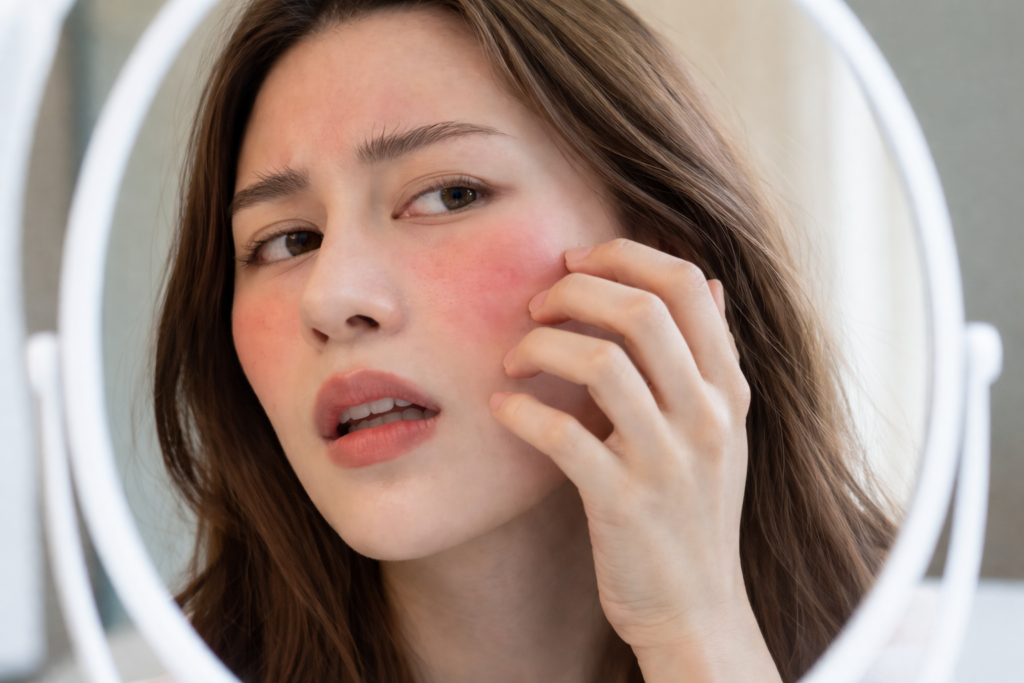
Skin Allergy Treatment at Gurugram and Rewari: Causes, Symptoms, and Best Solutions
Skin Allergy Treatment at Gurugram and Rewari is available at Dr. Kritika Derma Clinic for individuals suffering from itching, rashes, redness, hives, eczema, contact dermatitis, and recurring allergic skin conditions. At Dr. Kritika Derma Clinic, we offer advanced and personalized skin allergy treatment solutions to restore your skin’s comfort, health, and confidence. Our approach focuses on identifying the root cause of the allergy and treating it effectively with medical expertise and modern dermatological care.
Table of Contents
- What is a Skin Allergy?
- Common Causes of Skin Allergies
- Symptoms of Skin Allergy
- Quick Answer
- Skin Allergy Treatment Options
- Advanced Dermatological Treatments
- Lifestyle & Skincare Tips
- When to Consult a Dermatologist?
- Frequently Asked Questions
What is a Skin Allergy?
A skin allergy occurs when the immune system reacts to a normally harmless substance, triggering inflammation, redness, itching, swelling, or rashes on the skin. These allergic reactions can range from mild irritation to severe discomfort and may significantly affect daily activities, sleep quality, and self-confidence.
Skin allergies can occur at any age and may appear suddenly even in individuals who have never experienced them before. The condition may affect small areas of the body or become widespread depending on the trigger and severity of the reaction.
We offer specialized Skin Allergy Treatment at Gurugram and Rewari, providing advanced dermatological care tailored to individual skin types and environmental factors commonly seen in Delhi NCR.
At Dr. Kritika Derma Clinic, our focus is on accurate diagnosis, trigger identification, symptom control, and long-term prevention of recurring skin allergies.
Common Causes of Skin Allergies
Understanding the underlying cause of a skin allergy is essential for successful treatment and prevention.
- Contact Irritants: Soaps, detergents, perfumes, cosmetics, and cleaning products.
- Environmental Allergens: Pollen, dust mites, mold, and pet dander.
- Food Allergies: Certain foods may trigger allergic skin reactions in susceptible individuals.
- Medication Reactions: Antibiotics, painkillers, and other medicines can occasionally cause skin allergies.
- Weather Changes: Excessive heat, humidity, cold weather, or sudden seasonal changes.
- Insect Bites and Stings: Mosquitoes, bees, and other insects may trigger allergic responses.
- Metals and Fabrics: Nickel-containing jewelry, synthetic fabrics, and certain dyes.
- Stress and Lifestyle Factors: Stress may worsen existing allergic skin conditions.
Symptoms of Skin Allergy
Skin allergies can present in different ways depending on the underlying cause and severity.
- Redness and inflammation
- Persistent itching
- Burning or stinging sensation
- Rashes and small bumps
- Dry, flaky, or cracked skin
- Swelling of affected areas
- Blisters or fluid-filled lesions
- Oozing or crusting in severe cases
- Skin thickening due to repeated scratching
If these symptoms persist or recur frequently, professional dermatological evaluation is recommended.
Quick Answer
Skin Allergy Treatment involves identifying the trigger, reducing inflammation, controlling itching, repairing the skin barrier, and preventing recurrence. Treatment may include medications, moisturizers, allergy testing, lifestyle modifications, and advanced dermatological therapies depending on the severity of the condition.
Skin Allergy Treatment Options
The treatment of skin allergies depends on identifying and eliminating the underlying trigger whenever possible. At Dr. Kritika Derma Clinic, we follow a comprehensive and personalized approach for long-term relief.
1. Medications
- Antihistamines to reduce itching and allergic responses.
- Topical anti-inflammatory creams and ointments.
- Short-term corticosteroid therapy in severe cases.
- Prescription medications for chronic allergic conditions.
2. Moisturization and Skin Barrier Repair
- Dermatologist-recommended moisturizers.
- Barrier-repair creams to strengthen and protect the skin.
- Hydration therapies for dry and sensitive skin.
3. Allergen Identification
- Patch testing to identify contact allergens.
- Detailed allergy history assessment.
- Personalized avoidance strategies.
4. Treatment of Underlying Skin Conditions
Many skin allergies may coexist with conditions such as eczema, atopic dermatitis, urticaria (hives), or contact dermatitis. Treating these conditions is essential for long-term control.
Advanced Dermatological Treatments
For chronic, severe, or treatment-resistant allergies, advanced dermatological therapies may be recommended.
Phototherapy
Controlled ultraviolet light treatment can be beneficial for selected inflammatory and allergic skin disorders.
Immunomodulatory Treatments
These therapies help regulate abnormal immune responses and are often used in chronic allergic skin diseases.
Specialized Sensitive Skin Protocols
Customized skincare regimens designed specifically for allergy-prone and sensitive skin can significantly improve skin comfort and reduce flare-ups.
Long-Term Allergy Management Plans
For recurrent allergies, a structured treatment plan focusing on prevention, maintenance, and trigger avoidance can provide lasting relief.
Lifestyle & Skincare Tips
Simple lifestyle changes can significantly improve allergy control and reduce recurrence.
- Avoid known allergens and irritants.
- Use mild, fragrance-free skincare products.
- Choose soft, breathable fabrics such as cotton.
- Maintain proper skin hydration.
- Avoid excessive scratching.
- Keep nails trimmed to prevent skin damage.
- Follow a balanced diet rich in antioxidants.
- Drink adequate water daily.
- Manage stress through healthy lifestyle practices.
- Apply sunscreen regularly to protect sensitive skin.
When to Consult a Dermatologist?
You should seek professional dermatological care if:
- Your allergy persists despite home remedies.
- The rash spreads or becomes severe.
- You experience recurrent skin allergies.
- There is significant itching affecting sleep or daily activities.
- The skin becomes infected, painful, or starts oozing.
- You are unsure about the cause of your allergy.
Early diagnosis and treatment can prevent complications and provide faster, more effective relief.
Patients from Gurugram, Rewari, and nearby areas trust Dr. Kritika Derma Clinic for reliable and evidence-based skin allergy treatment. If you are searching for a “Skin Allergy Doctor Near Me” or the Best Skin Allergy Treatment at Gurugram and Rewari, expert care is just a consultation away.
Frequently Asked Questions (FAQs)
What is the best treatment for skin allergies?
The best treatment depends on the cause of the allergy and may include antihistamines, topical medications, moisturizers, allergen avoidance, and advanced dermatological therapies.
Can skin allergies be cured permanently?
Many skin allergies can be effectively controlled by identifying triggers and following appropriate treatment and preventive measures.
How long does skin allergy treatment take?
Mild allergies may improve within days, while chronic or recurrent conditions may require longer-term management.
Are skin allergies contagious?
No. Most allergic skin conditions are not contagious and cannot spread from one person to another.
What foods can trigger skin allergies?
Common triggers may include nuts, seafood, eggs, dairy products, and food additives, although triggers vary from person to person.
Can stress worsen skin allergies?
Yes. Emotional stress can aggravate many allergic and inflammatory skin conditions, leading to flare-ups.
When should I see a dermatologist for skin allergies?
If symptoms persist, worsen, recur frequently, or interfere with daily life, a dermatologist consultation is recommended.
Clinic Details & Locations
At Dr. Kritika Derma Clinic, we combine clinical expertise with advanced dermatological care to offer safe, effective, and long-lasting solutions for all types of skin allergies.
Locations: Gurugram and Rewari
Book your consultation today and take the first step towards healthier, allergy-free skin.